BREAKDOWN REEL
Process Work
Art Direction
• Overview
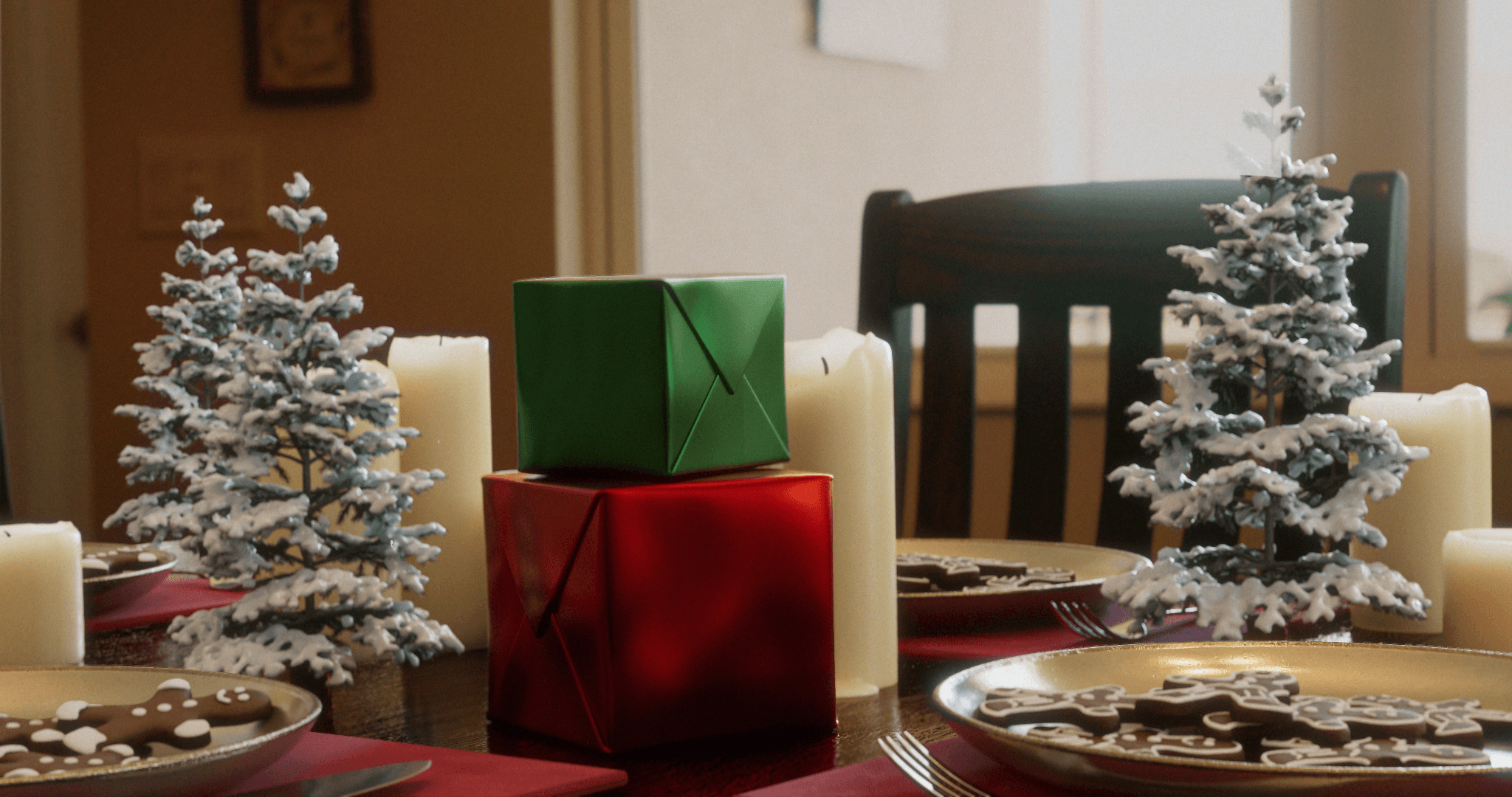
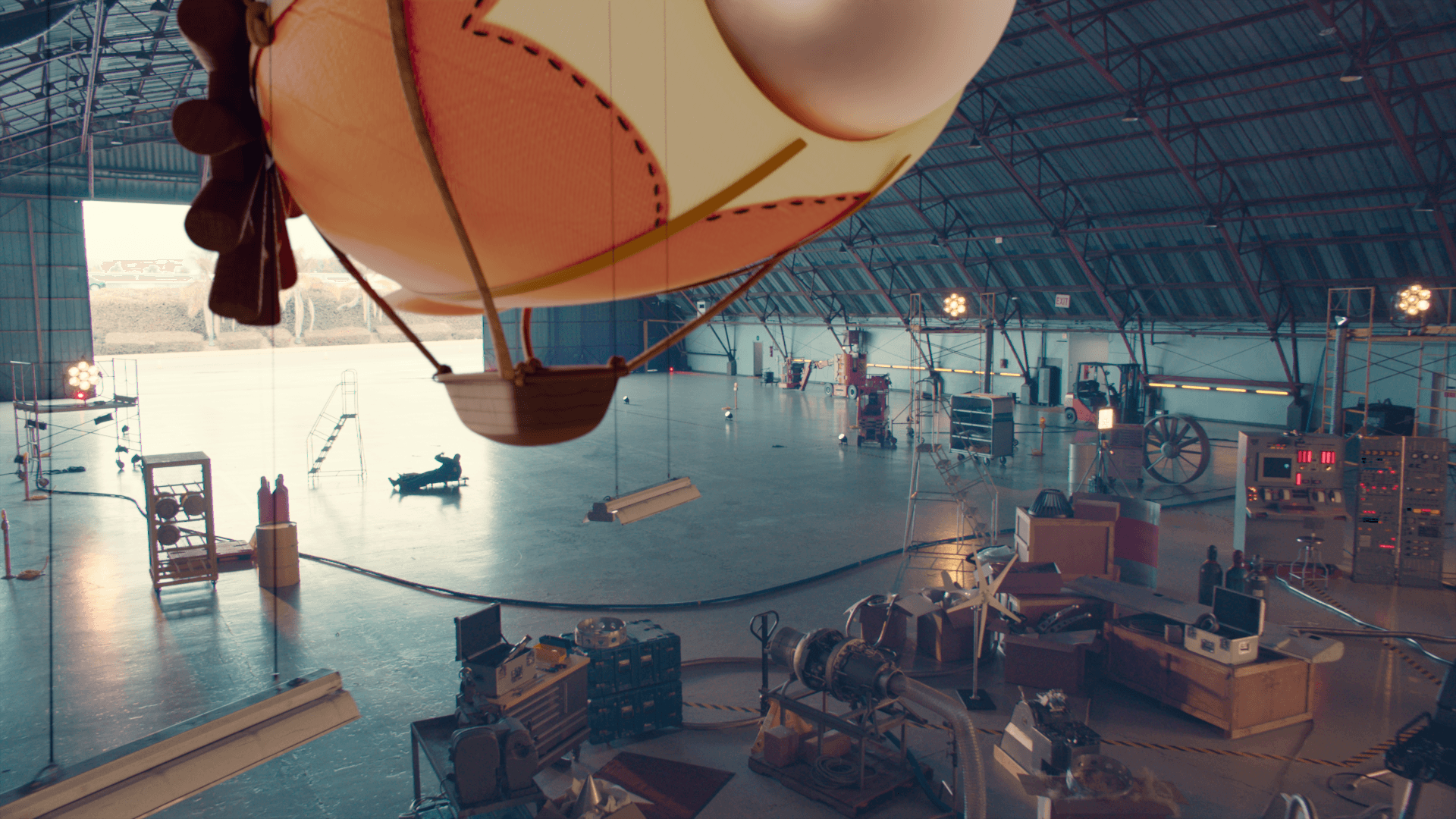
This breakdown reel was developed as part of a compositing-focused motion design project, showcasing the technical and creative process behind each finalized shot. The reel highlights workflows including multi-pass compositing, masking, tracking, color correction, texture integration, and visual refinement across a series of sequences. Emphasis was placed on creating seamless visual continuity while balancing atmosphere, depth, and motion-driven storytelling. Through the use of layered compositing techniques and iterative refinement, the project demonstrates an understanding of both technical execution and cinematic presentation within a professional post-production pipeline.
• Process
Research & Visual Development
The early stages of this project focused on analysing the visual direction, pacing, and technical requirements needed to support the final composited sequences. Through reference gathering, shot planning, and workflow testing, I identified the most effective approaches for integrating layered assets, refining motion, and maintaining consistency across each scene.
Building a Cohesive Composite Pipeline
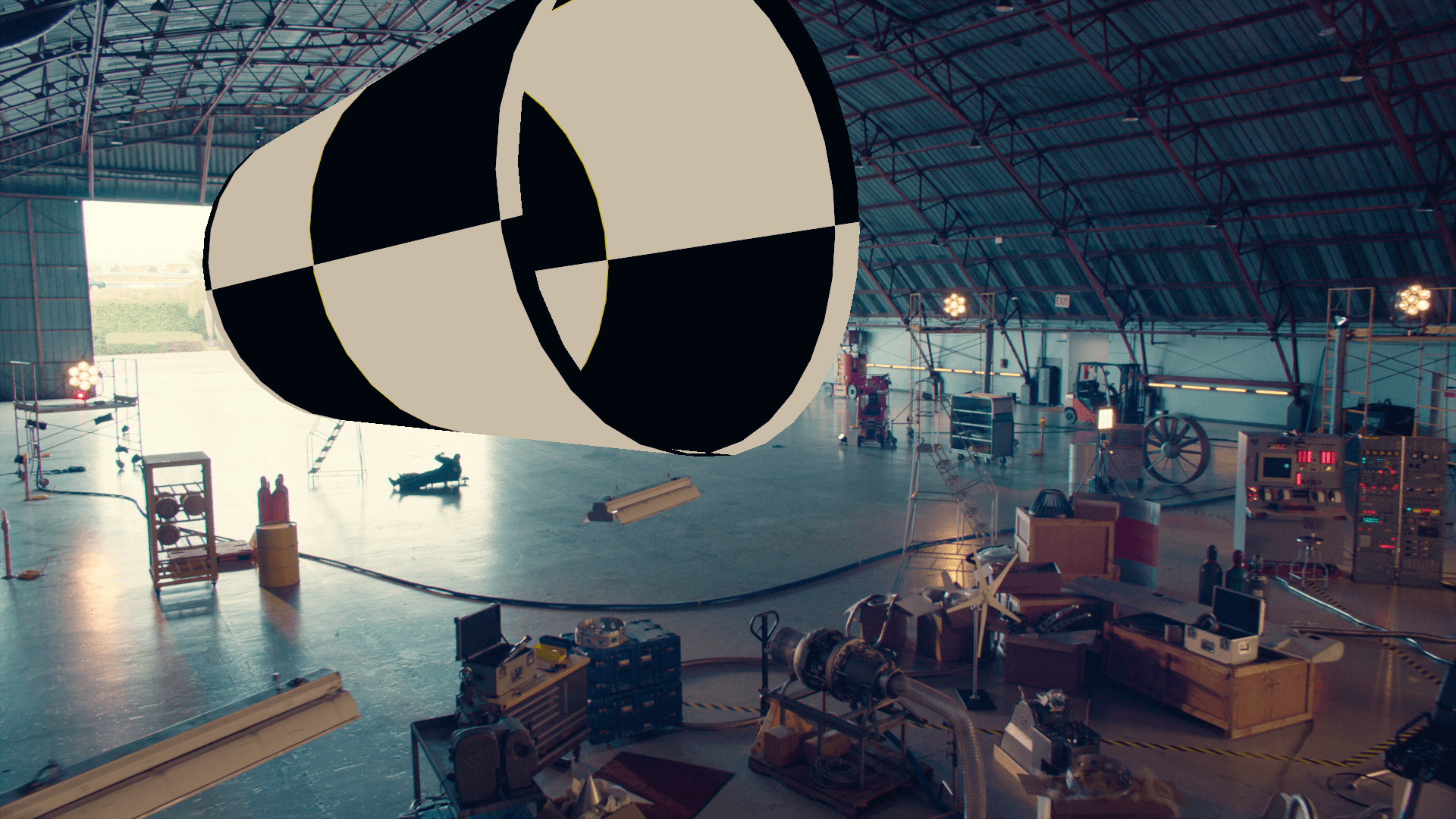
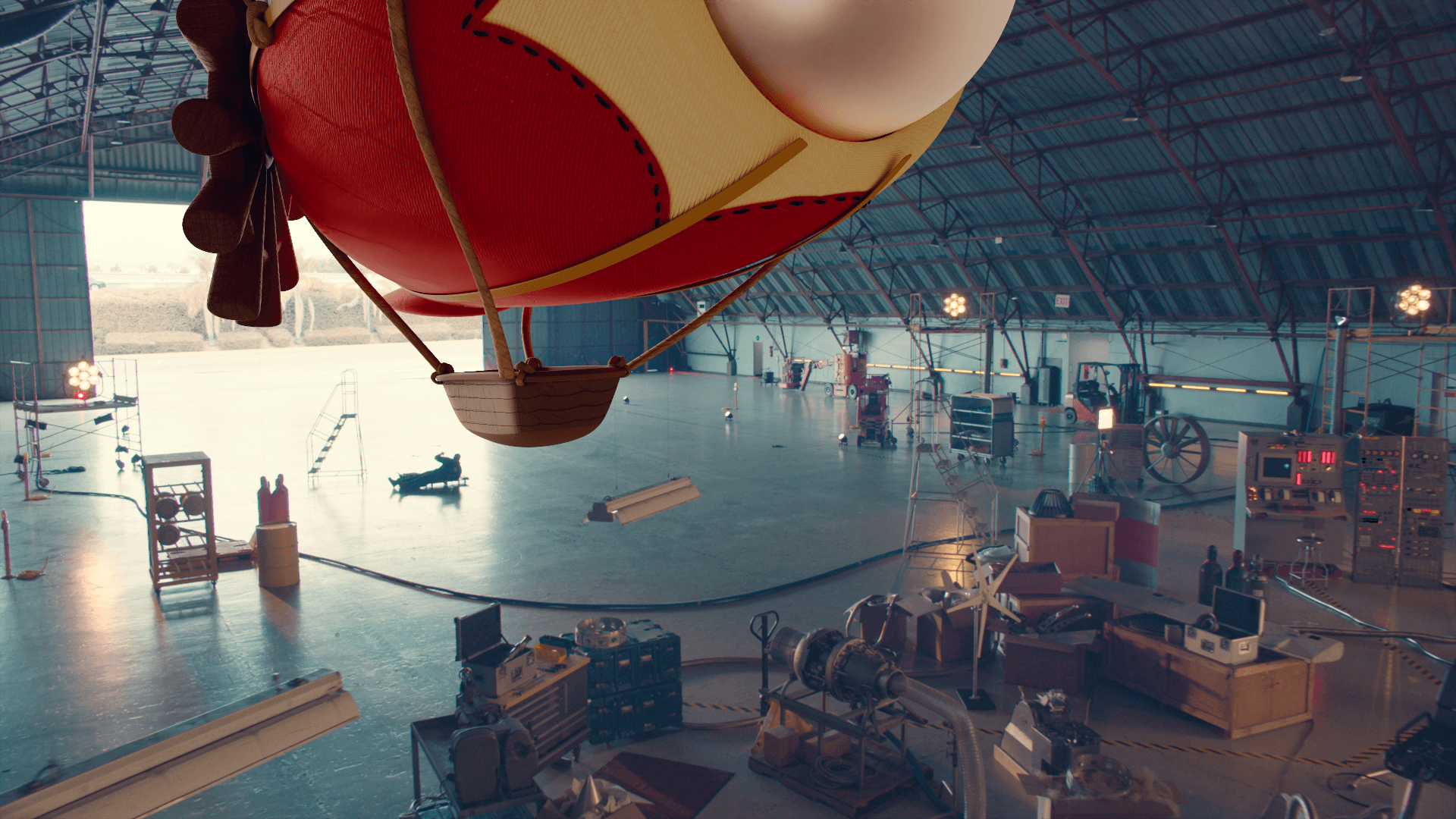
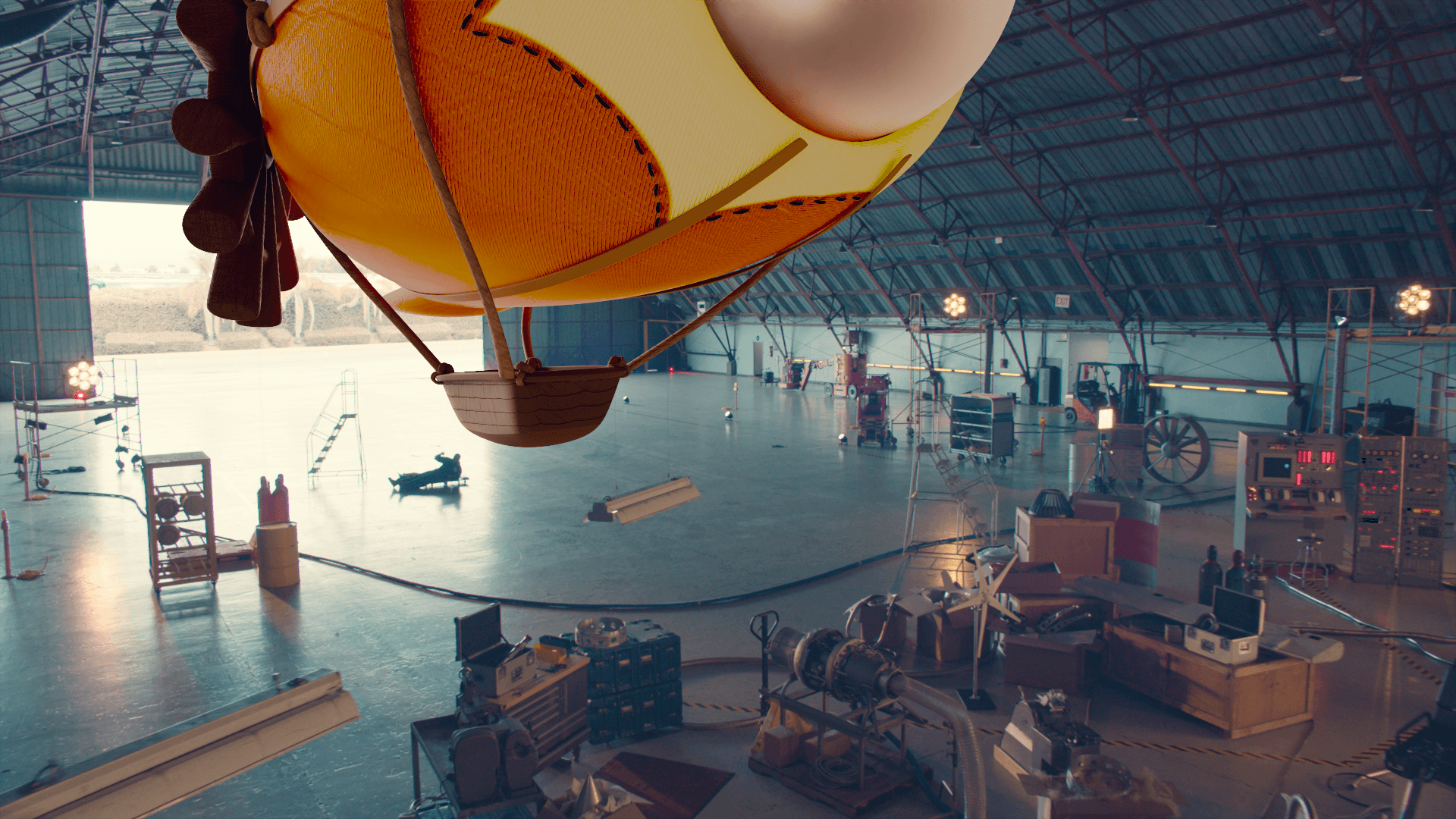
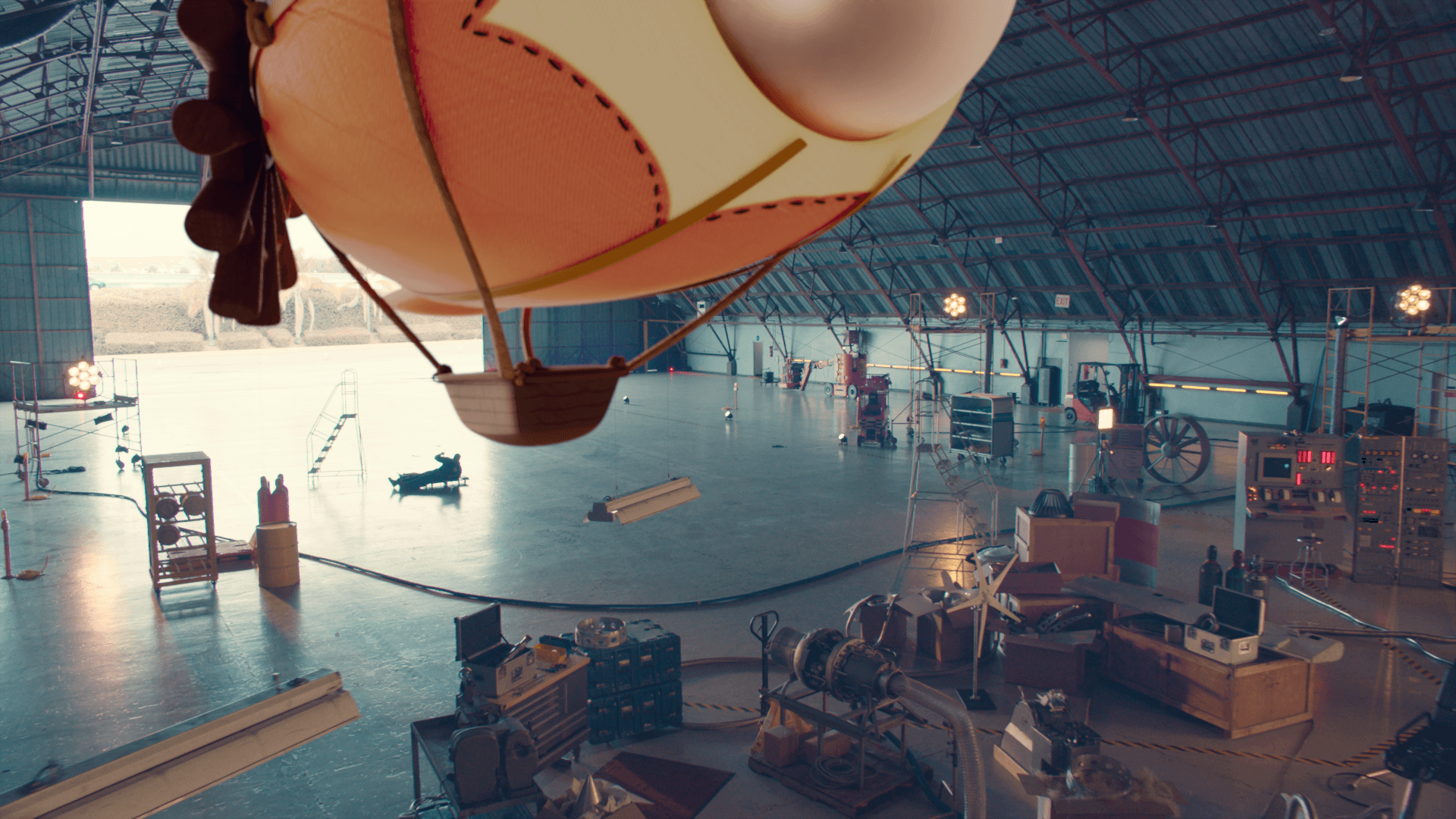
A major focus of the project involved creating a streamlined compositing workflow that unified all visual elements into a cohesive final presentation. This included integrating multiple render passes, managing masks and mattes, refining transitions, and balancing color and lighting across shots to ensure visual continuity and cinematic clarity throughout the reel.
Refinement, Effects & Final Polish
The final stage concentrated on enhancing the overall realism and atmosphere of the compositions through detailed visual refinement. Techniques such as color grading, tracking, texture overlays, depth enhancement, and subtle visual effects were incorporated to strengthen the final presentation while reinforcing the mood, depth, and professional quality of the piece.
• Thank you!
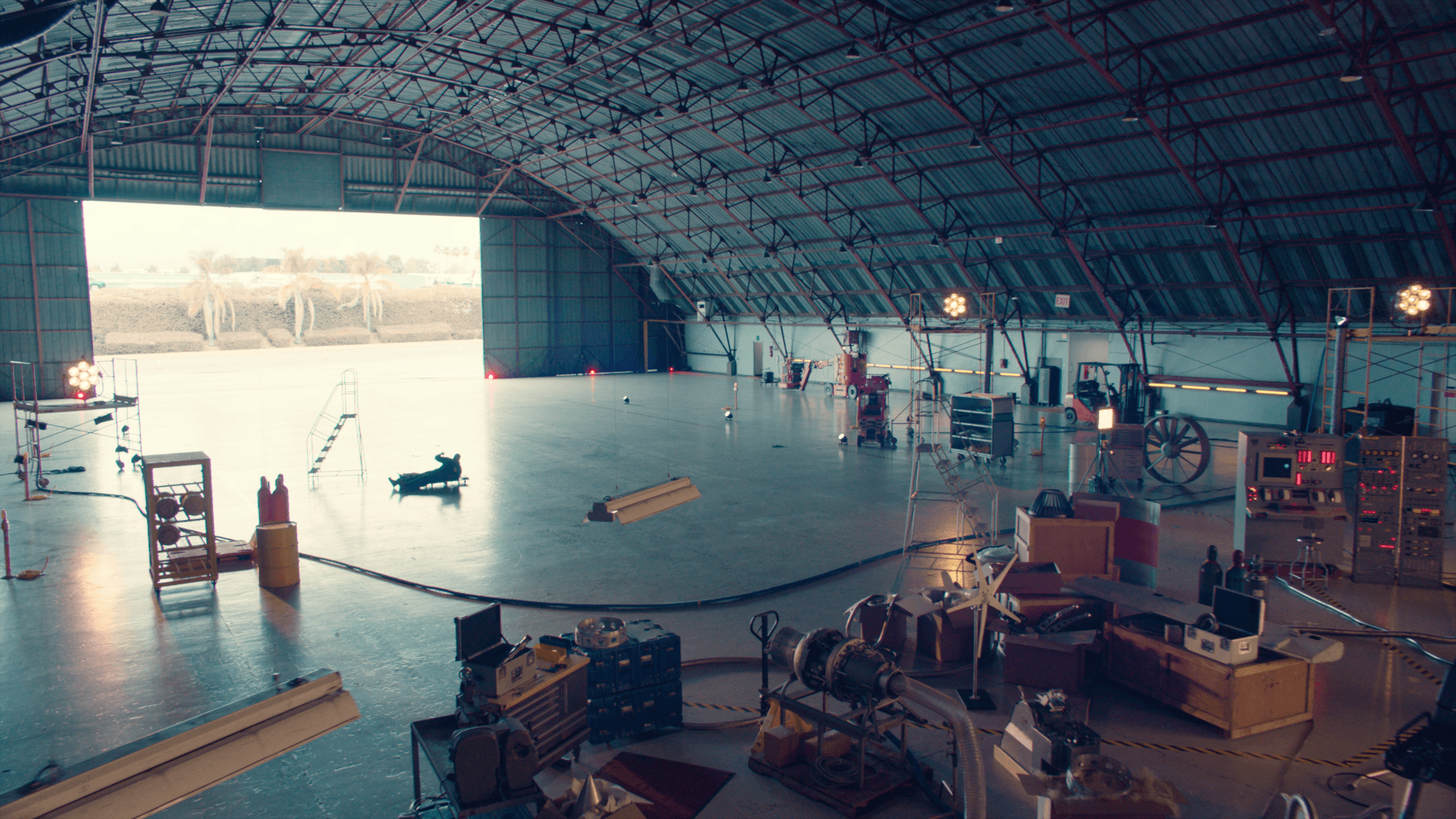
The final outcome reinforced the importance of approaching compositing through a modular and highly structured workflow. Rendering separate AOVs provided greater flexibility and control during post-production, allowing individual elements such as lighting, reflections, shadows, and atmospheric effects to be refined independently without requiring full scene re-renders. The project also demonstrated the value of isolating and perfecting specific components — such as focusing on the face rig and character performance before integrating environmental elements and backgrounds — which helped maintain clarity, efficiency, and higher-quality results throughout the process. By breaking the project into manageable compositing stages and modular passes, the overall workflow became significantly more adaptable, precise, and production-oriented.